



The Shelltone
An encounter, a song... The origin of our environmental organization.
The origin of Shelltone Whale Project
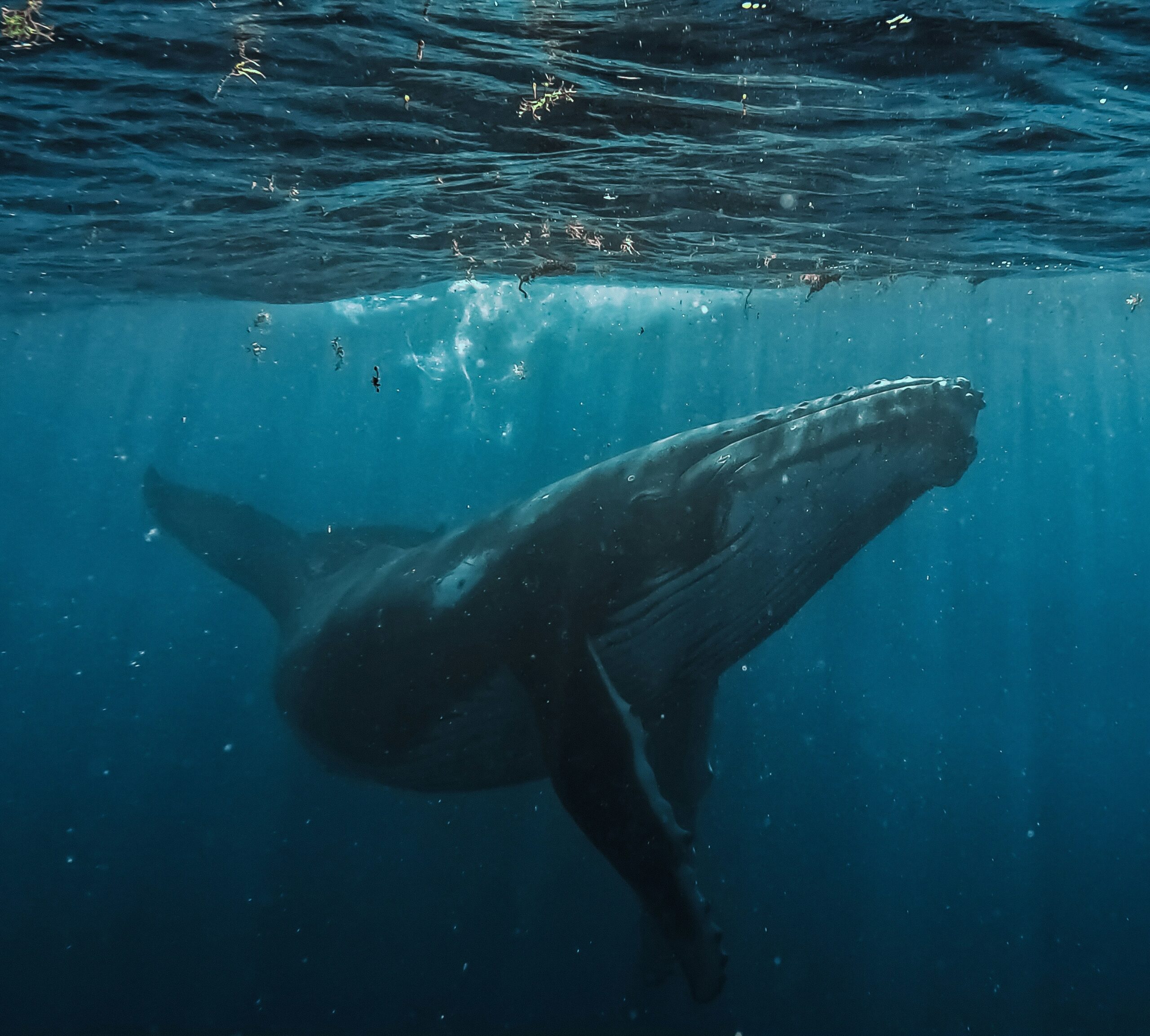
It was in Maui, Hawaii, in 1981, that Pierre Lavagne de Castellan first met the Koholas, the singing whales, guardians of the Ocean.. This encounter marked the beginning of a unique adventure, at the crossroads of science, music and respect for cetaceans.
Fascinated by the song of humpback whales, Pierre was captivated by the exceptional quality of their music: complex harmonies, unheard-of tessitura, and a deep sense that these songs had a meaning, a specific purpose, perhaps even a spiritual dimension. It was obvious that these melodies didn't just exist to please the human ear; ; they played an essential role in the lives of these marine giants.
Initial research...
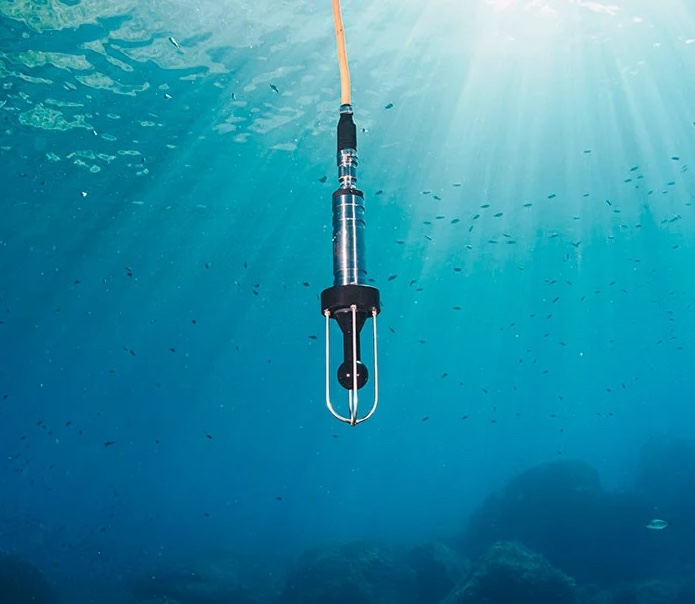
Like many others at the time, Pierre Lavagne de Castellan wondered about the future. the meaning of these songs and the whales' communication mechanisms. Since the 1960s, pioneers have been researching these subjects, even going so far as to attempt to interspecies communication experiments. Some used musical instruments from boats, imitating the practices of primitive peoples, while others relied on advanced technologies: underwater microphones, digital recordings, and today, artificial intelligence.
However, for Pierre, the technological and remote approach wasn't enough. He felt the need to aa more authentic, more respectful connection. Communicating with whales could only be done by sharing their element, by being underwater, and by using a universal language : the music. That's how the idea of creating an instrument capable of reproducing the songs of whales, in their frequencies and tessitura, to engage in musical dialogue with them.
The creation of Shelltone
If you want to understand whale song, You have to go under the surface and play music with them, that's where it happens, in the exchange of sounds. the message they have in their song.
Trying to understand their language by simply dipping a hydrophone in the water and deciphering sounds on a computer, assisted by artificial intelligence, is a little like try to communicate with eyes and heart wide shut.
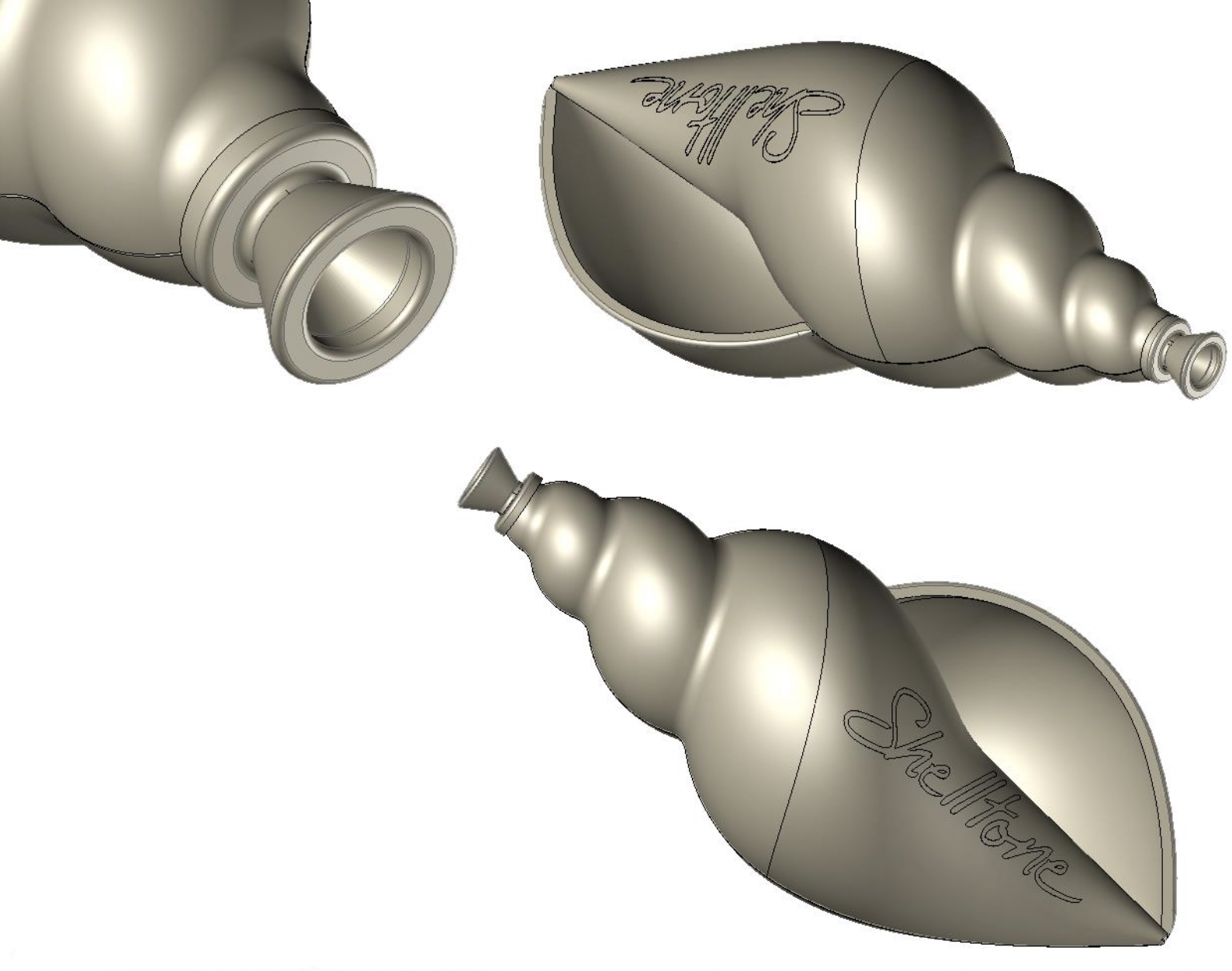
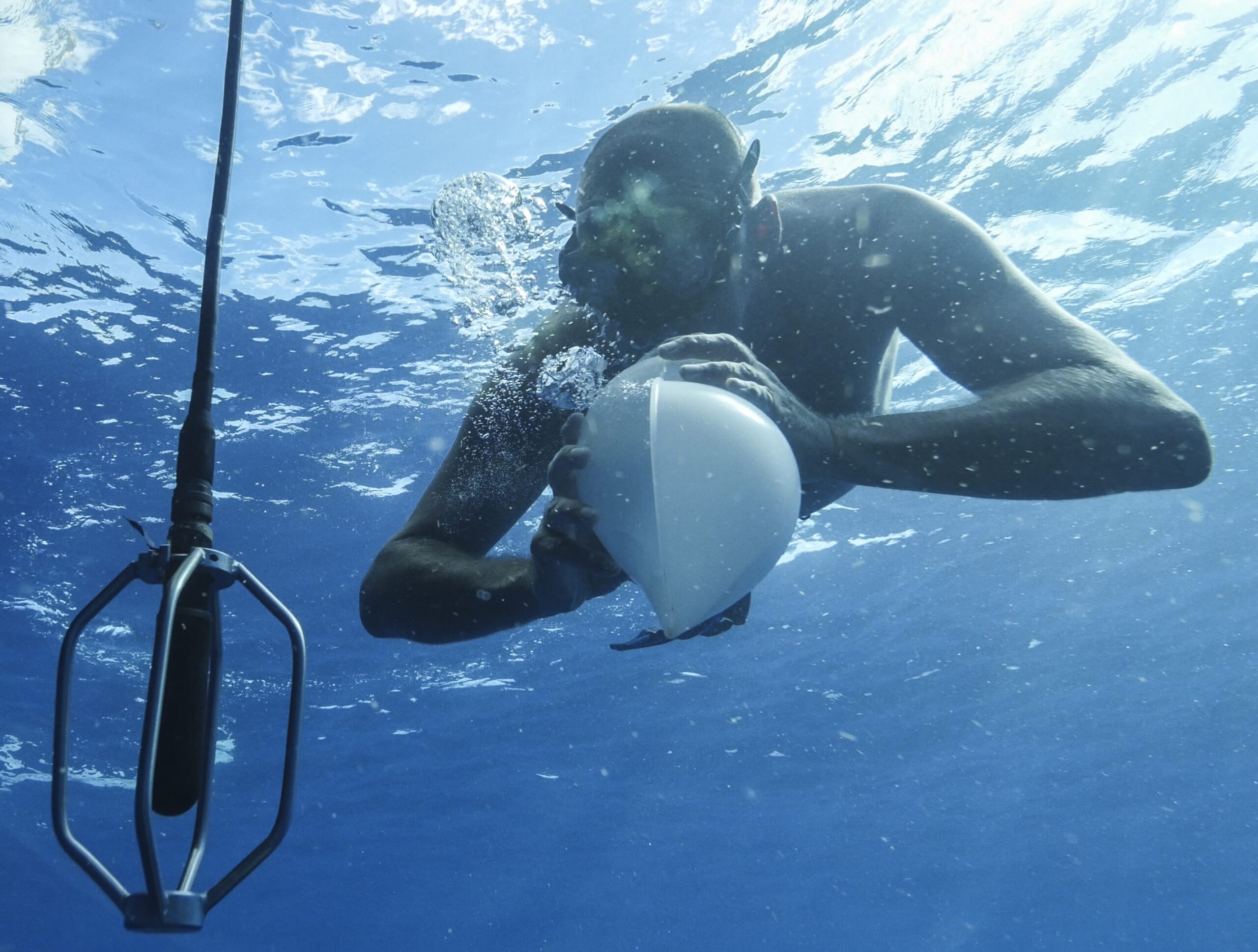
In 2002, Pierre Lavagne de Castellan designed the Shelltone, a revolutionary instrument designed specifically for playing underwater. After two years of research between Stanford University in California and the acoustics laboratory at École Centrale de Nantes, the Shelltone was born.
This instrument enabled Pierre Lavagne de Castellan to experience the first real underwater musical interaction between a human and a humpback whale, paving the way for a new form of interspecies communication.

Triton Pacifica

First 3D images

The steel mold

The Shelltone
Incredible discoveries
These experiments have revealed an unsuspected richness. Why do whales sing? The first clues have emerged: their ability to use sound to heal, stimulate reproduction, and even improve the nutritional quality of their food. These discoveries, born of these musical exchanges, now form the core of the research conducted by the Shelltone Whale Project.
A book, The message is in the song, will soon report on this extraordinary adventure.
A mission of respect and preservation
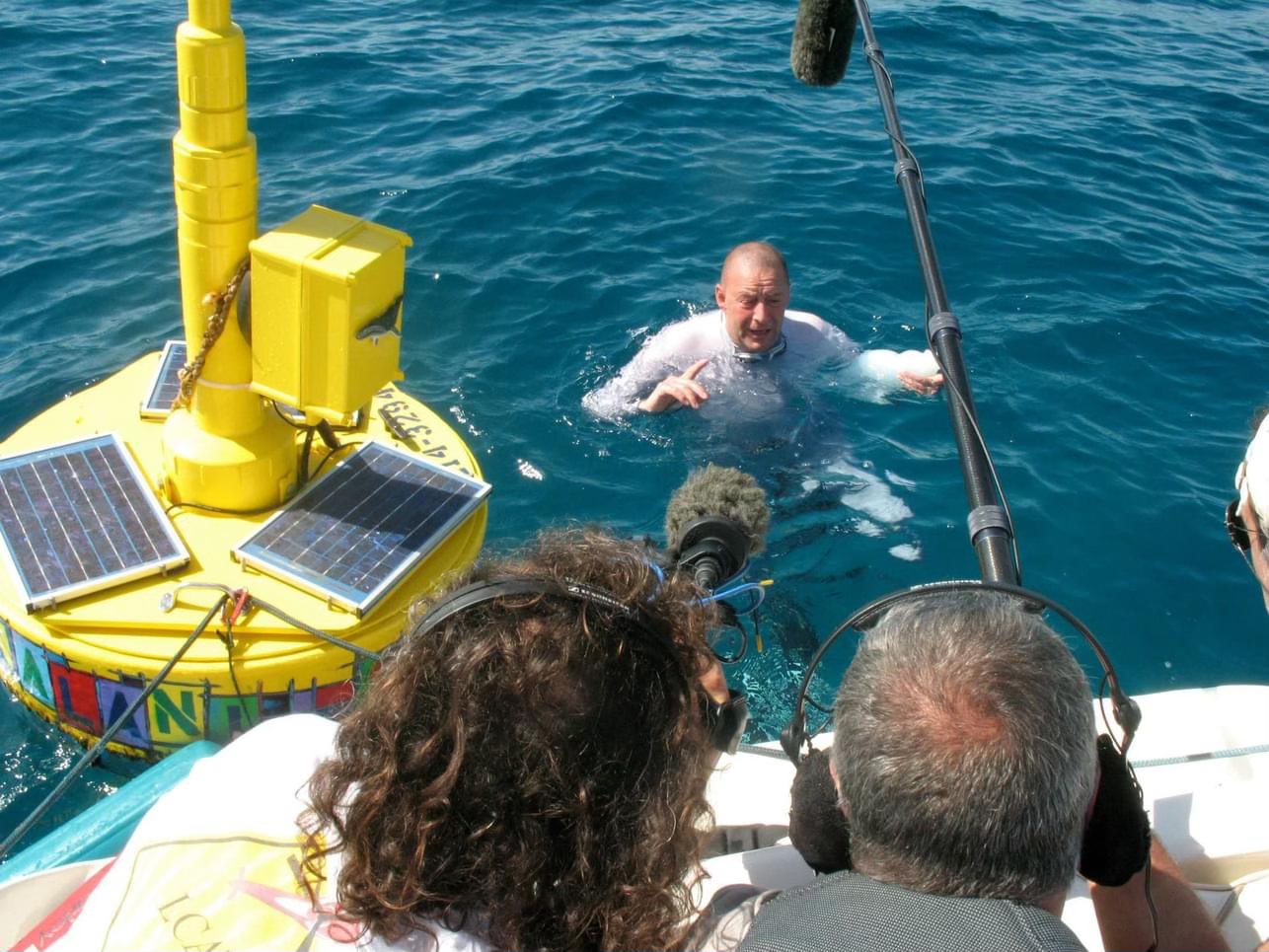
40 years of interaction with whales, Pierre Lavagne de Castellan understood the vital importance of respectful approach techniques. The more confidence cetaceans feel, the more they share rare moments of intimacy.. Conversely, intrusive, profit-driven practices disturb these animals and endanger their well-being.
That's why Shelltone Whale Project works to promote whale watching bases run by enthusiasts who respect cetaceans and their environment. By selecting ethical operators and raising public awareness, thehe project ensures that whale watching is carried out in a spirit of preservation and kindness..
«Choose Respect»
The future of cetaceans depends on our ability to understand and protect them. Whether through cross-species research or the promotion of respectful observation, Shelltone Whale Project is committed to defending the great singers of the oceans.
If you choose a whale watching base, choose one that respects cetaceans.
Shelltone Whale Project - «Choose Respect».
Pierre Lavagne de Castellan
Shelltone Whale Project Research Director