

OUR RESEARCH
Discover our research base in Cadaqués
The research base of the environmental organization Shelltone Whale Project, located in Cadaqués, is the first facility in the world dedicated to the study and development of research methodologies that respect cetaceans.
Under the direction of Pierre Lavagne de Castellan, this base conducts regular sea campaigns aimed at improving and standardizing cetacean observation protocols to minimize disturbance and avoid any negative impact on animals in their natural habitat.
These research activities are fundamental to our organization, whose primary objective is the conservation of cetaceans through the promotion of responsible, science-based whale watching practices.
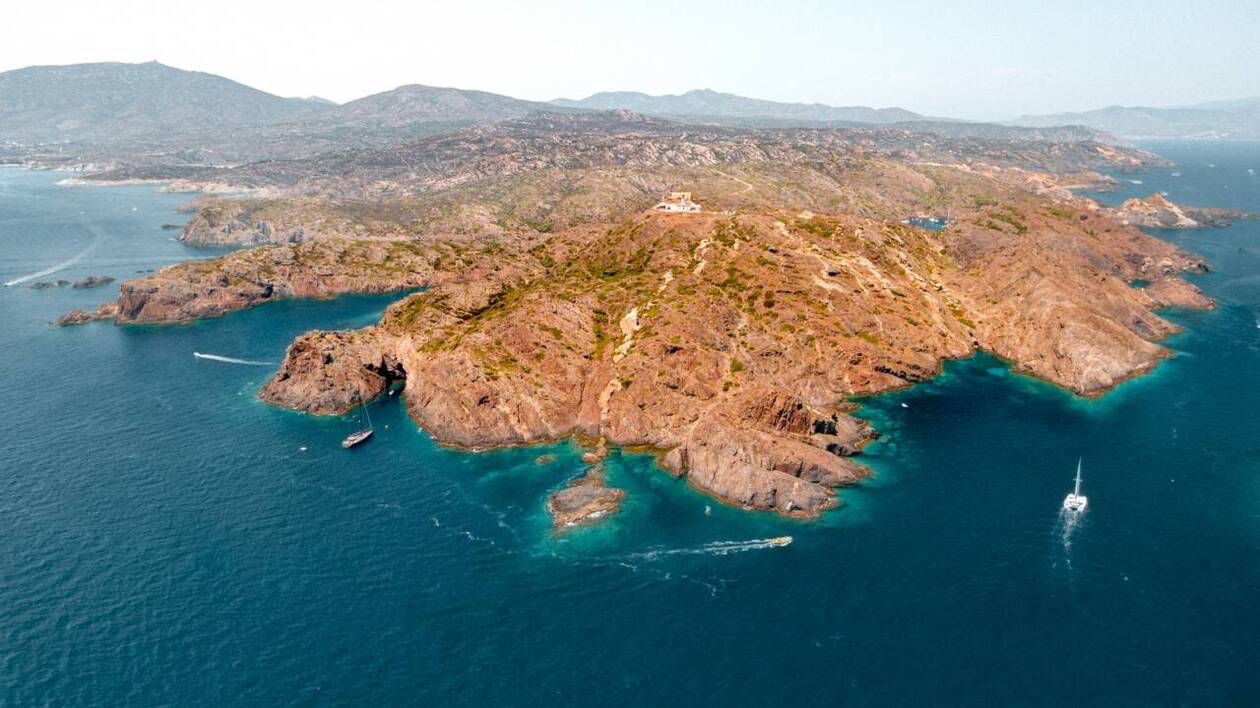
The sanctuary of Cap de Creus
The Cap de Creus Natural Park offers an exceptional field of study. This unspoilt, wild and unpredictable place is home to an underwater canyon that stretches from the cliffs to over 30 miles offshore, reaching a depth of 2,000 meters. A true ecological corridor, it constitutes a unique ecosystem where hundreds of marine, plant and animal species cohabit.
For us, it's the ideal setting to study respectful, non-intrusive approach techniques. Cetacean watching can - and must - be done with total respect for their freedom and habitat. These practices can be perfected, shared and passed on. This is our mission. It's also what drives us deeply.
In the footsteps of cetaceans
Among the many marine species present in the canyon, two families of dolphins are resident here: the Tursiops truncatus, close to the coast, and Stenella coeruleoalba, which can be seen further offshore. This underwater corridor is also a regular stopover for fin whales, the sperm whales and other large deep-sea cetaceans.
To date, no other scientific or tourist organization has visited this canyon as regularly and as committedly as we have. For the past five years, our continuous presence has enabled us to better understand the richness of this ecosystem and to follow its evolution with total respect for living things.
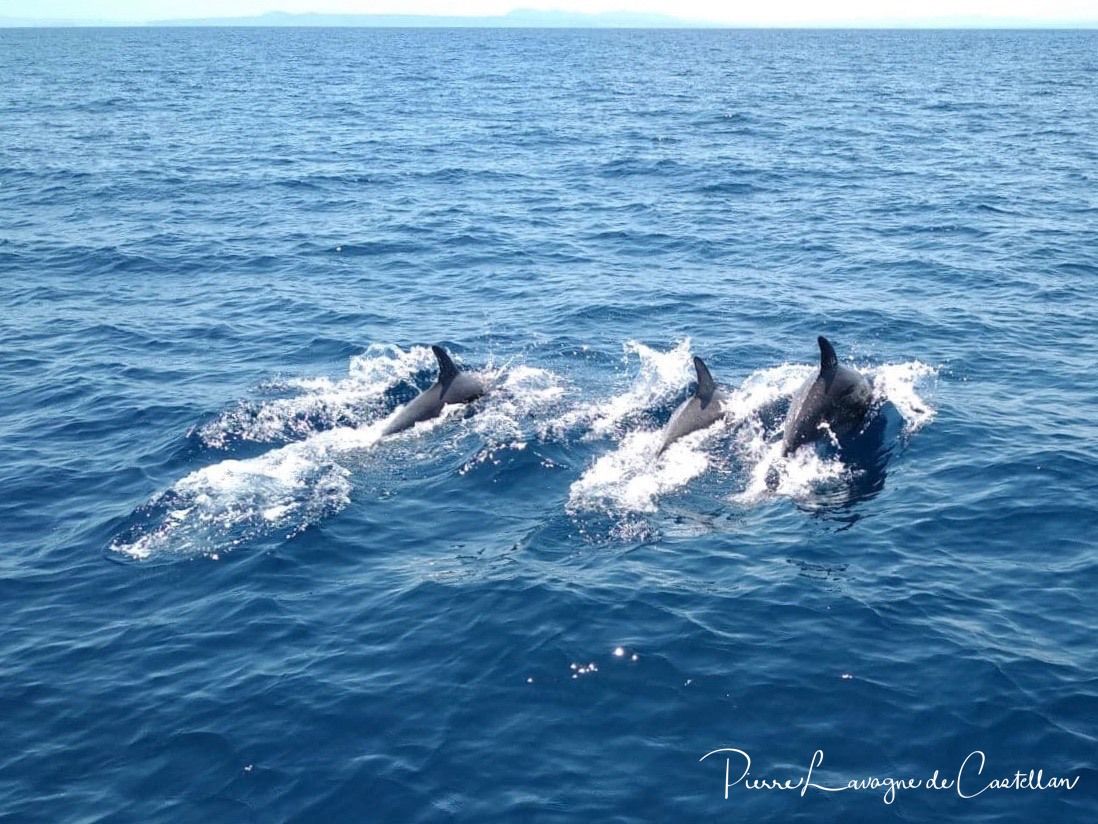
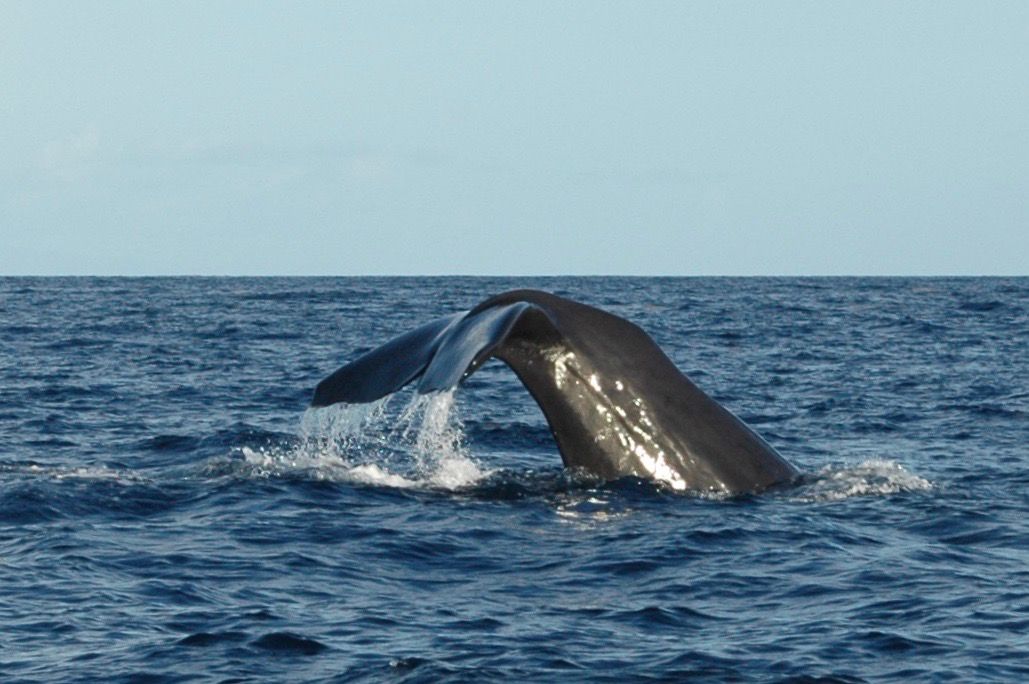
Cadaqués, our living laboratory
This canyon has become our open-air laboratory. The cetaceans we encounter are entirely wild, living far from human interaction. Human activity is extremely limited, reduced to a few trawlers that the animals instinctively avoid.
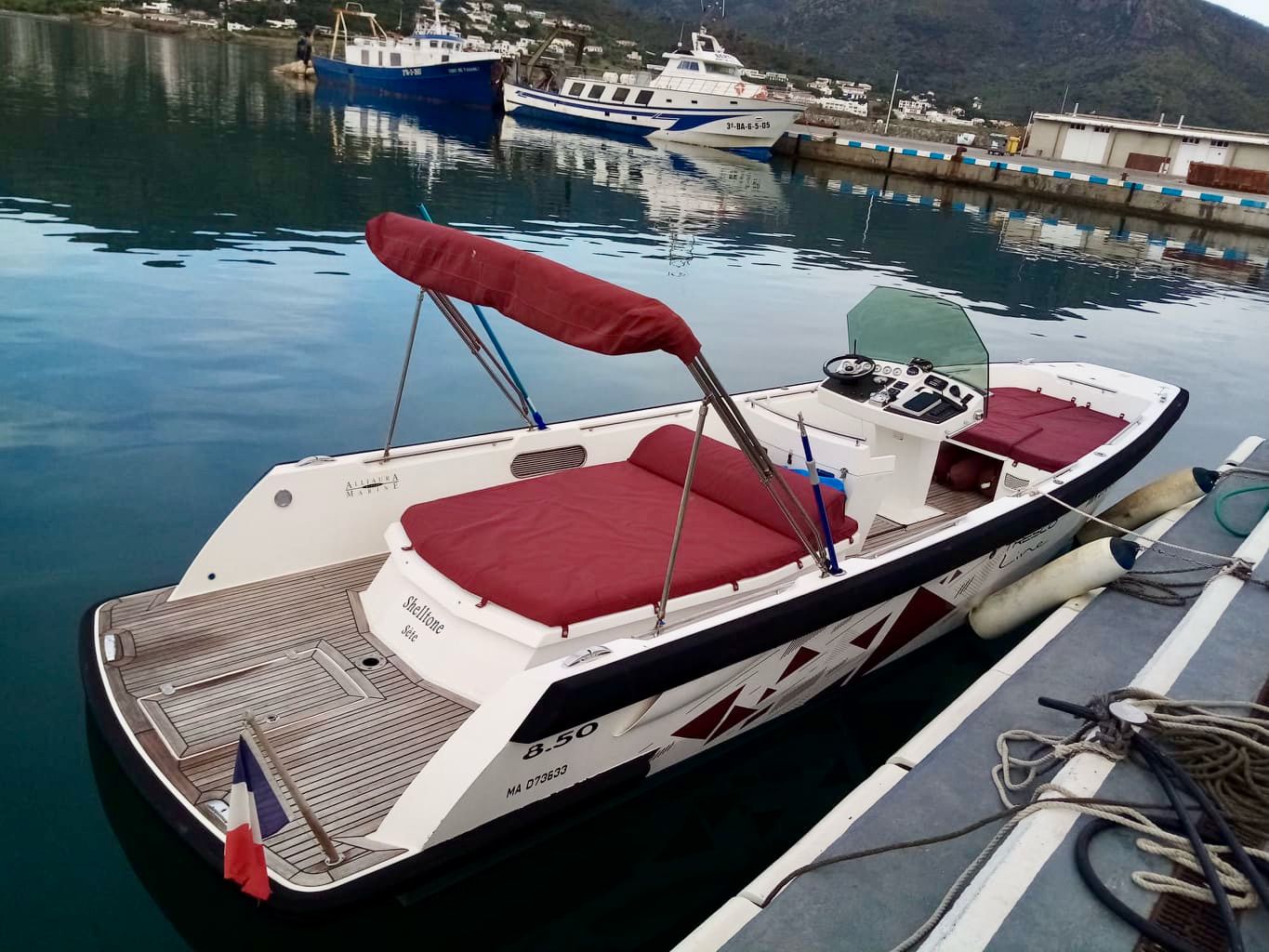
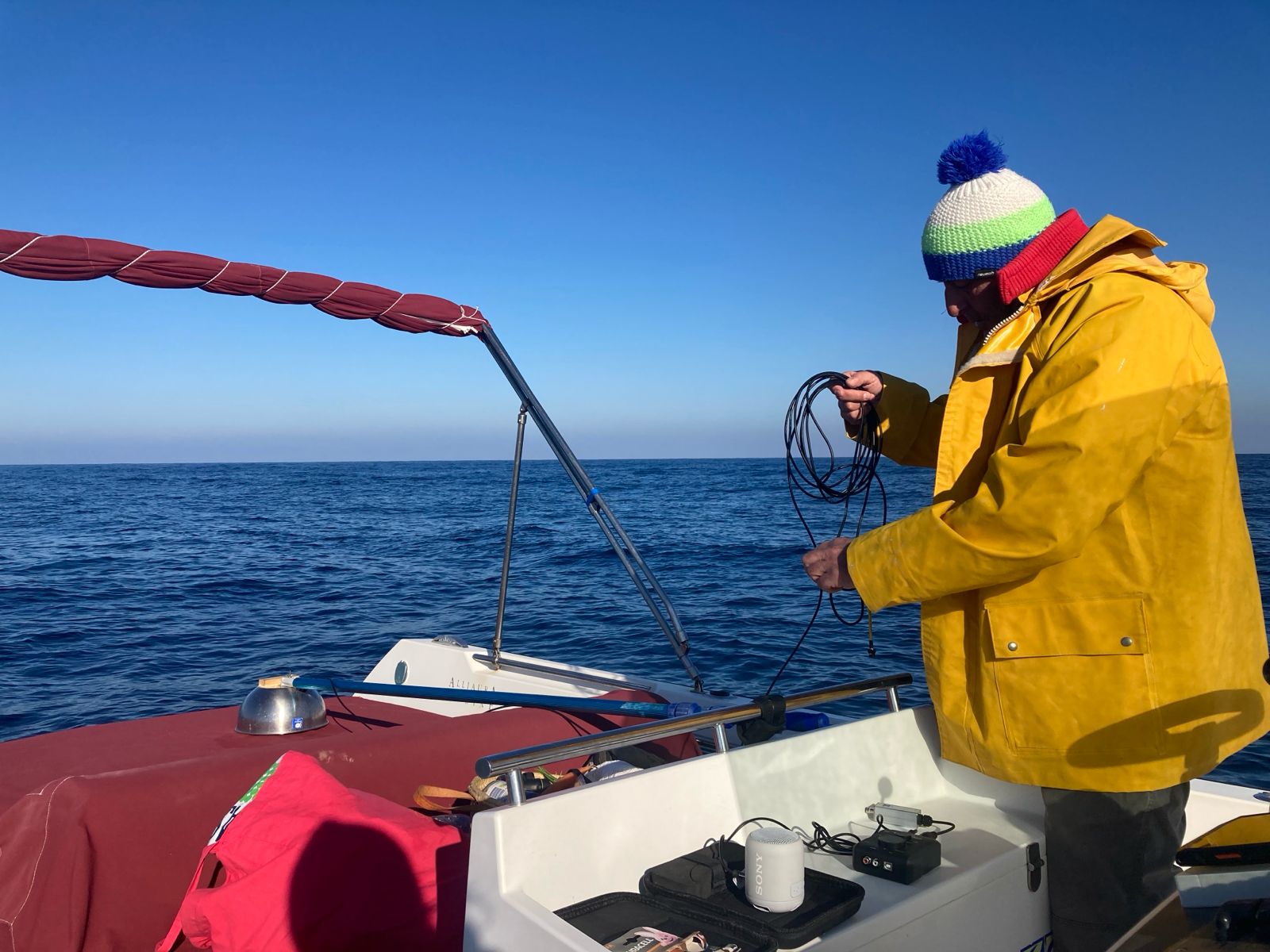
Our sea outings allow us to test, evaluate and refine ethical, respectful and non-intrusive approach techniques. These experiments feed our expertise and enable us to pass on our methods to partner whale watching bases that we select in other parts of the world.
The Cadaqués base thus embodies the heart of our mission: a space for observation, innovation and sharing.
TAKE ACTION TO PROTECT CETACEANS
BY CHOOSING THE RIGHT OPERATOR FOR YOUR OUTING
Pierre Lavagne De Castellan
Marine bioacoustician - Ethologist - Founder of Shelltone Whale Project
Since 1981, my passion for cetaceans and my research into inter-species communication with whales have led me to work in habitats where these animals live and reproduce. Over the years, I've watched whale watching evolve from a confidential practice reserved for enthusiasts and scientists in the 80s and 90s, to a mass tourism activity in the 2000s.
This uncontrolled development has led to a proliferation of boats in cetacean living areas, with approaches that are often disrespectful, dictated by the need to satisfy tourist expectations. The consequences of this constant harassment quickly became apparent: stress, loss of appetite and libido in the animals, and even abandonment of certain territories.
Despite the efforts of marine sanctuaries to regulate this activity through charters and training courses, many operators continue to flout the rules, seeking spectacular and intrusive approaches with no real controls.
Fortunately, I have met passionate and respectful operators, guided by their love of cetaceans and not by profit. Their knowledge enables them to take a gentle, respectful approach, creating authentic, peaceful encounters with the animals.
Shelltone Whale Project aims to list and promote these conscientious operators, offering everyone the chance to choose a harmonious, cetacean-friendly experience at sea. By booking your outings through our organization, you support our mission to promote responsible practices and protect cetaceans from intrusive approaches.