
Dolphins and whales in Guadeloupe, and other cetaceans in our waters...
The waters of Guadeloupe are very rich in cetaceans, and the Shelltone Whale Project team has recorded more than twenty species, including dolphins and whales in Guadeloupe, over the last ten years of research and studies. Our cetacean-watching outings are open to the public, as we regularly organize «whale watching» outings on Guadeloupe's leeward coast.
All year round, in Guadeloupe, we see magnificent animals, year-round residents, sperm whales (which are whales), spotted dolphins, Steno dolphins, bottlenose dolphins and Fraser's dolphins. We also encounter pilot whales, pseudo-orcas, beaked whales and even the occasional orca, among others, as there are over 20 species of marine mammals living in the Agoa sanctuary where we work, on the leeward coast of Guadeloupe. The humpback whale is present here from December to the end of May.
During our whale watching outings in Guadeloupe, we use the same techniques and protocol to observe cetaceans as during our scientific outings. We use our hydrophone, an underwater microphone, which enables us to locate the cetaceans and also to determine their attitude at the time of listening. Our ethological knowledge (study of animal behavior) of Guadeloupe's cetaceans enables us to decide whether or not we can approach them. Like all mammals, cetaceans have various activities during the day, which are more or less conducive to observation and approach. They may be hunting, for example, in which case we don't approach them, so as not to disrupt their hunt. At this precise moment, they use their echo-location to pinpoint their prey, and they communicate with each other to coordinate the hunt. We then stay out of their way, preferring to steer the boat towards another group more likely to want to share a moment with us, for example, during socialization after the hunt, when they are relaxed and love to come and play with the bow of our boat. This protocol applies to all the cetaceans we observe in Guadeloupe.
We have all been trained by the French marine protected areas in a responsible approach to the cetaceans of Guadeloupe that inhabit the territory where we work, the French West Indies Agoa Marine Mammal Sanctuary. What's more, our experience and our scientific approach have led us to go even further than this protocol to make it even more respectful of cetaceans, and we have created our own charter for approaching and observing the cetaceans of Guadeloupe, the Shelltone Whale Project charter. RESPECT Whale Watching in Guadeloupe: to guarantee the most respectful whale watching in Guadeloupe, our role is above all to protect these animals. This technique, while respecting them, enables us to create a shared empathy with them, who are very sensitive to our conscientious approach and return the favor by approaching our boat without fear whenever they have the opportunity. This allows our guests to fully enjoy their presence in a serene and relaxed atmosphere.
The different species of cetaceans observed by Shelltone Whale Project in Guadeloupe :
23 cetacean species have been recorded in Guadeloupe, classified into three categories.
1 - Migratory birds
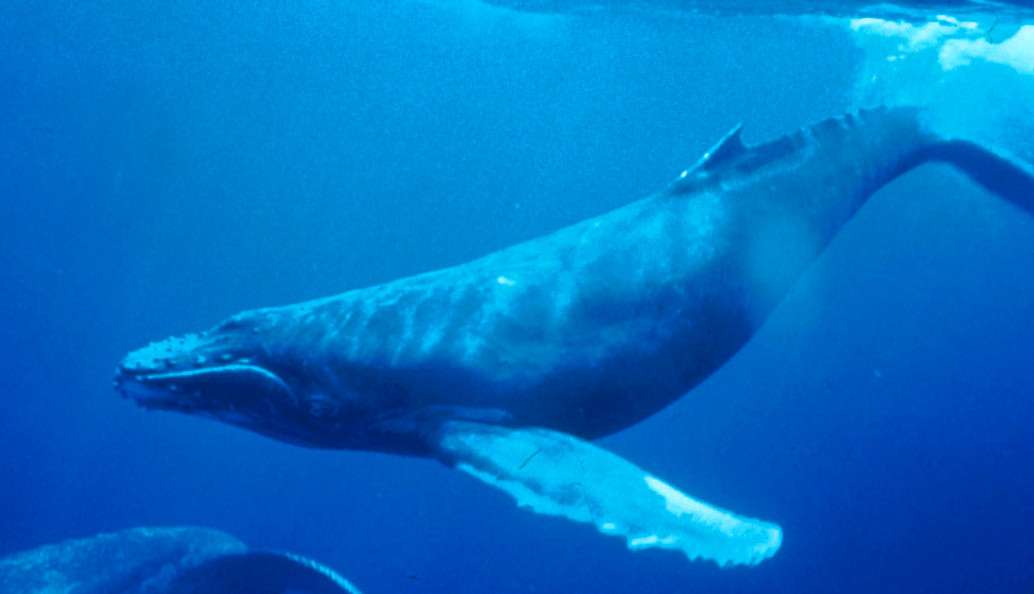
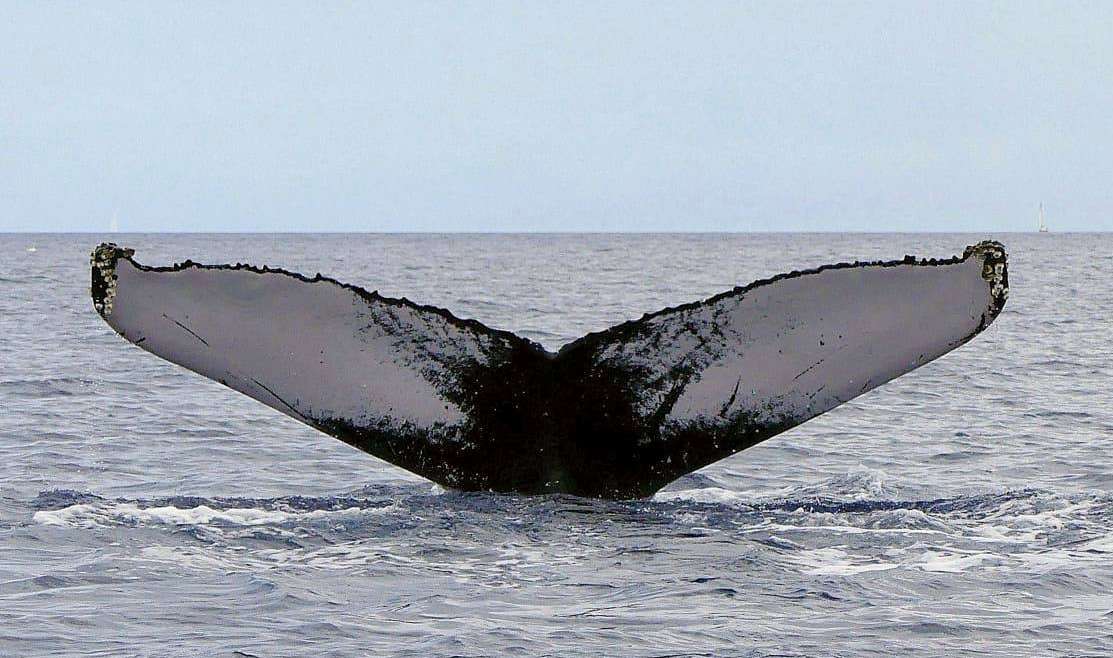
Only one species is considered migratory: the humpback whale, which comes to the warm waters of the Caribbean from January to May to have its babies, then heads north to Canada, Iceland or Norway from June to December to feed on protein-rich animal plankton, such as krill or herring.
Humpback whale
2 - Nomads
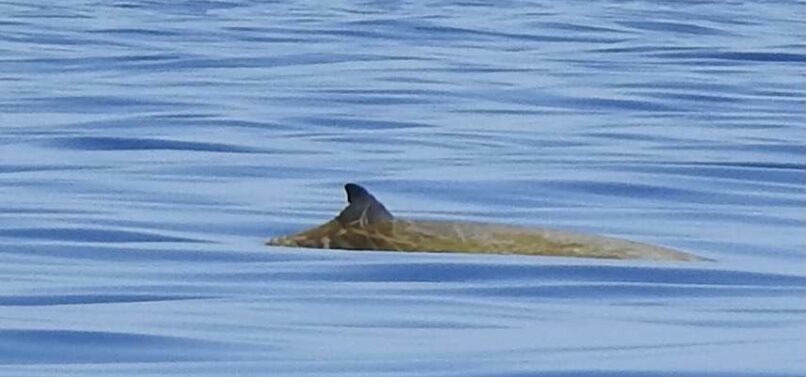
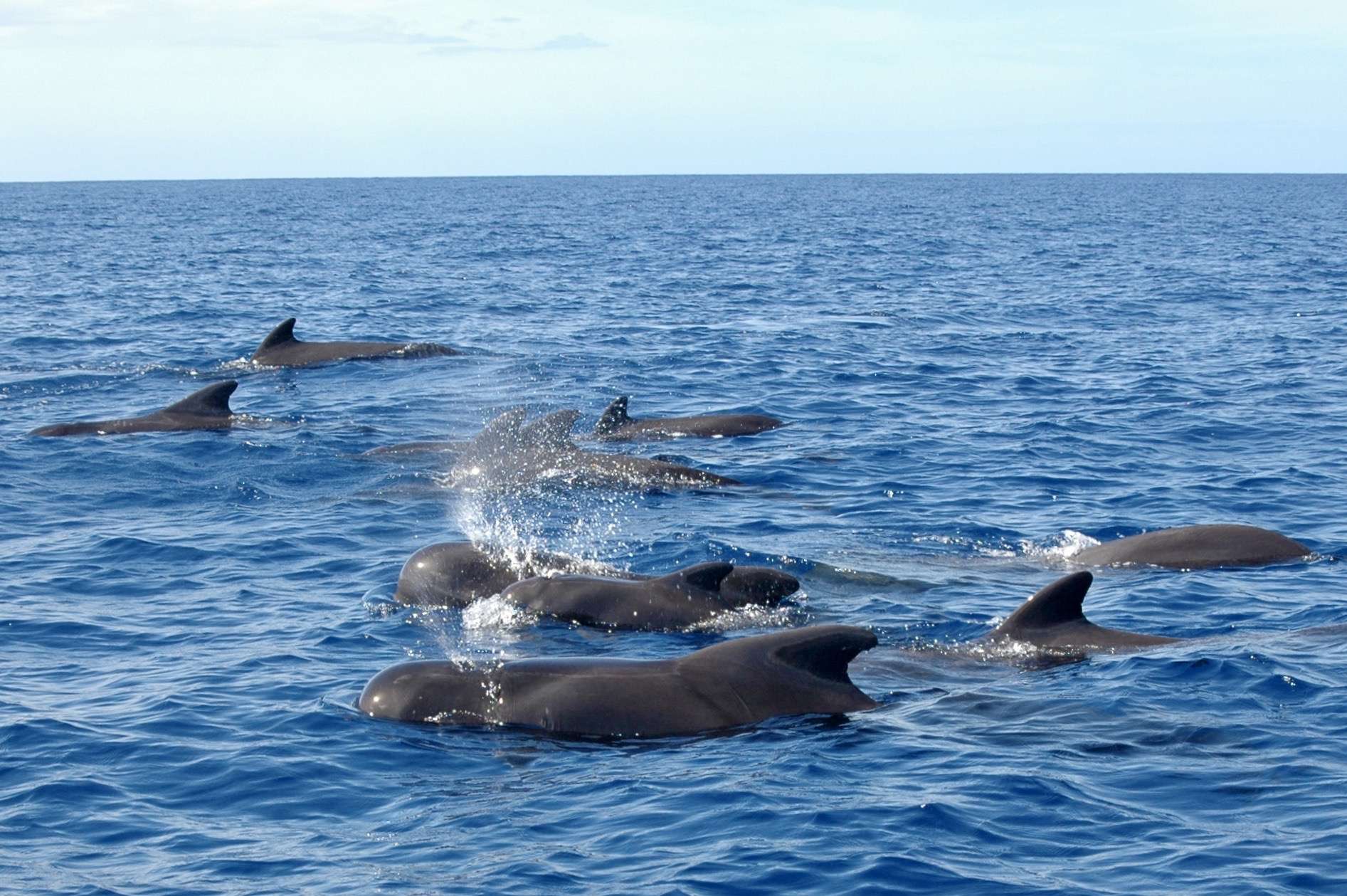
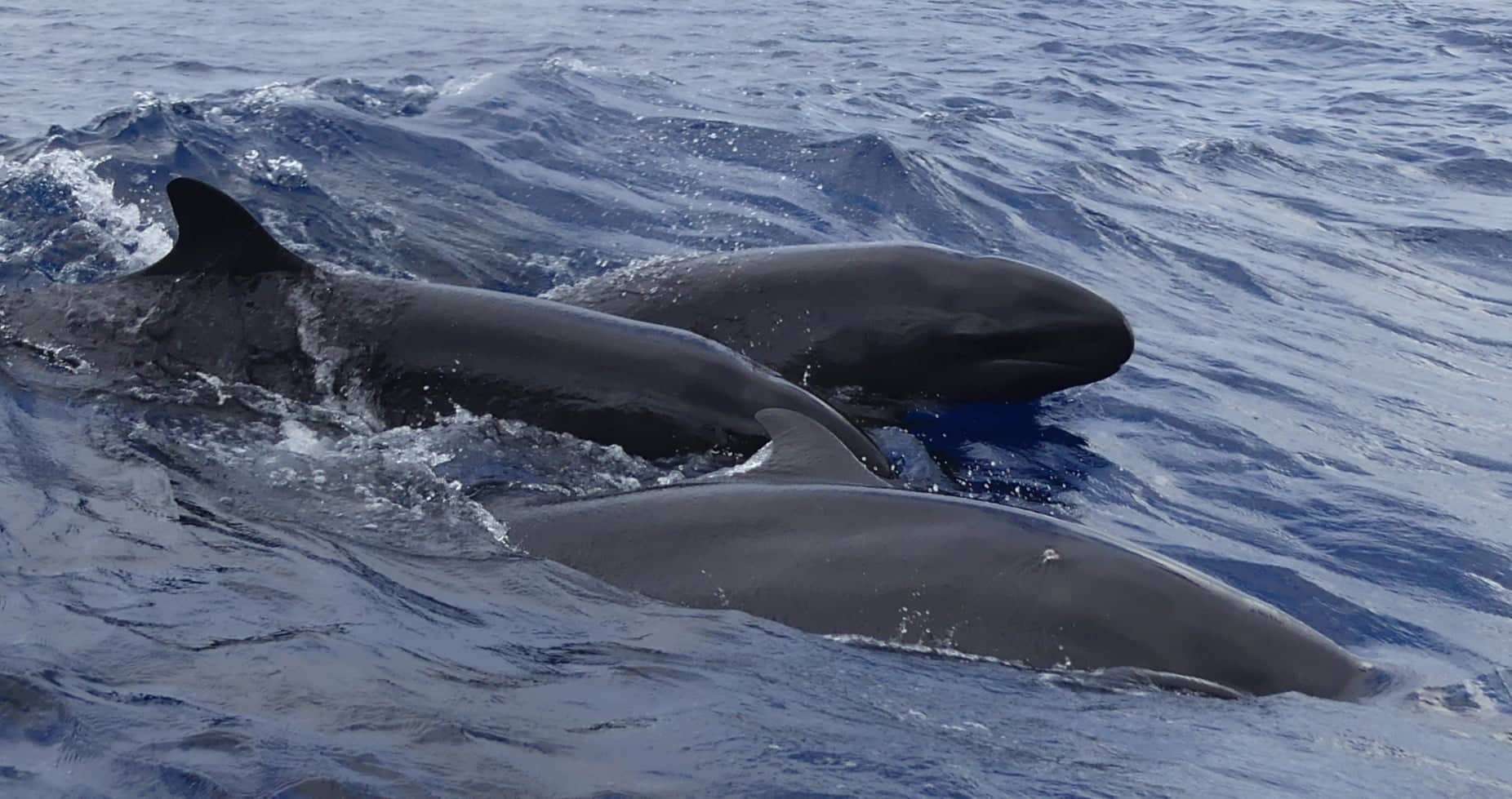
Short-finned pilot whales, pseudorca whales, Cuvier's beaked whales, minke whales, Bryde's whales, Sténo prostrate whales and Peponocephalus whales, among others, are all species that have hitherto been considered to evolve randomly in the Antilles, and can be observed at any time on the leeward coast of Guadeloupe. Even if it is still difficult to predict their arrival, our observations over the last ten years have revealed a seasonal pattern for certain species in our waters.
Beaked whale
Pilot whales
Psuedorques
3 - Residents
These are the species that do not leave their island throughout the year.In Guadeloupe, we have 4 resident cetacean species:
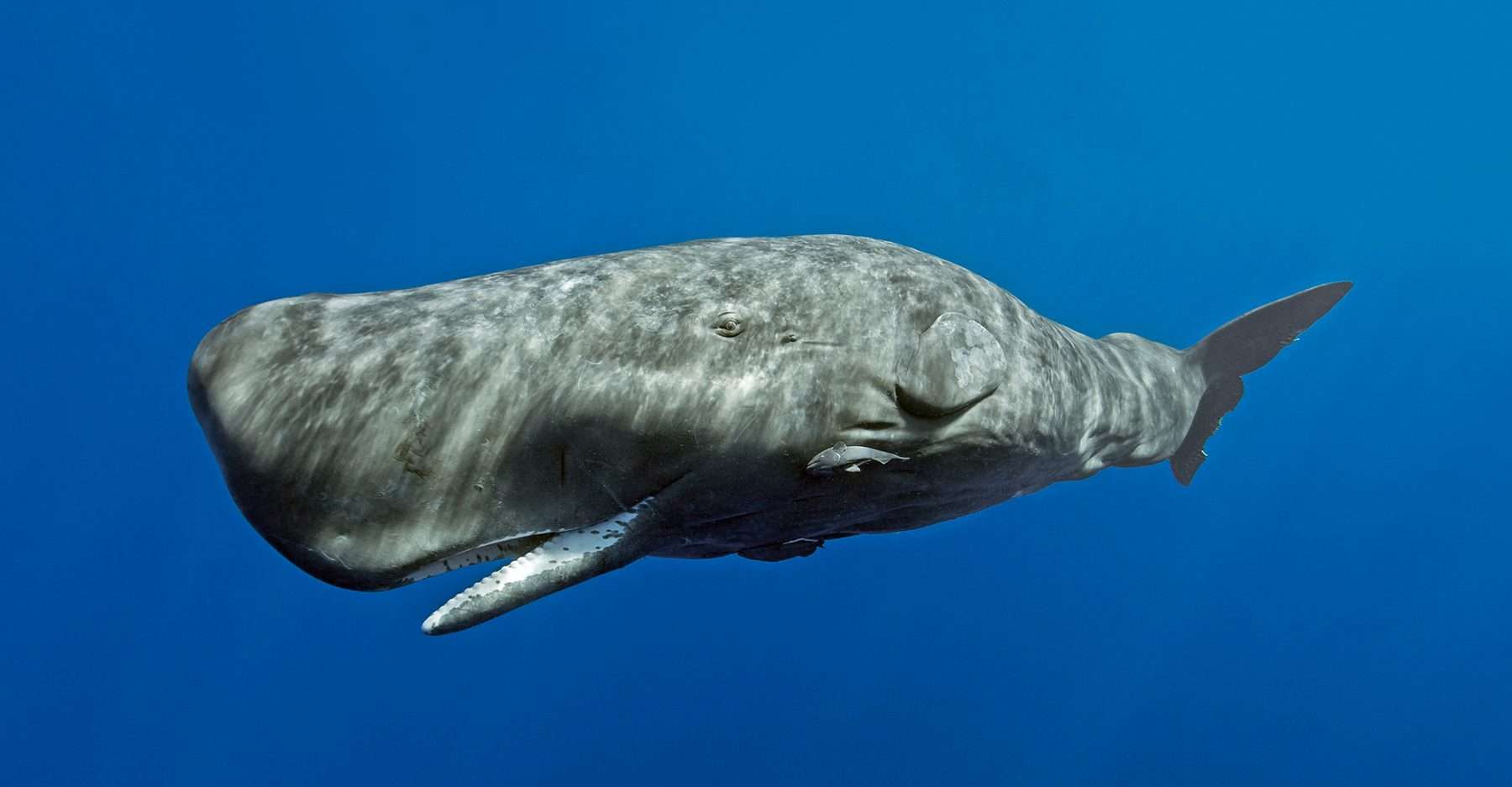
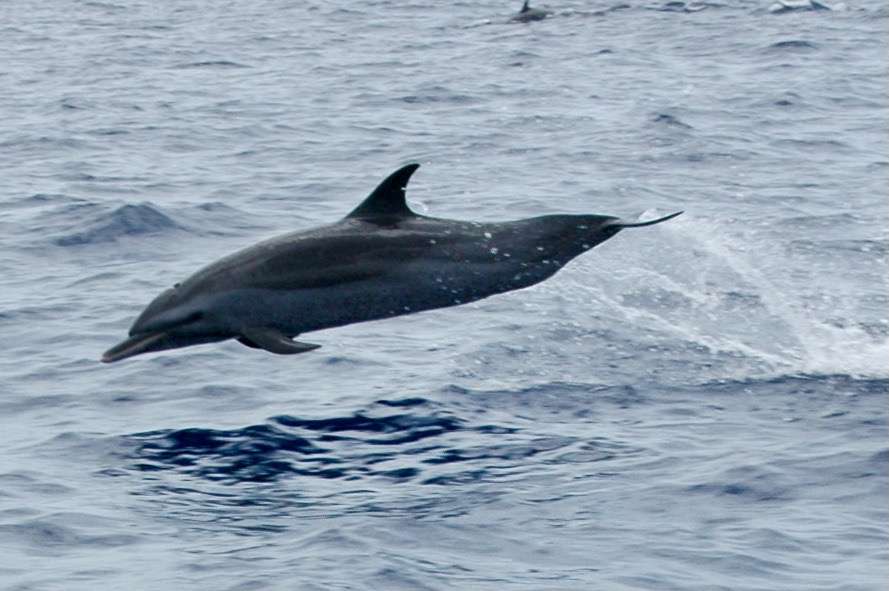
Three in Basse Terre, pan-tropical spotted dolphins, around 100 individuals divided into two families. We also have Fraser's dolphins, around 50 individuals, and sperm whales, around 100 individuals divided into several families of 5 to 12 individuals.
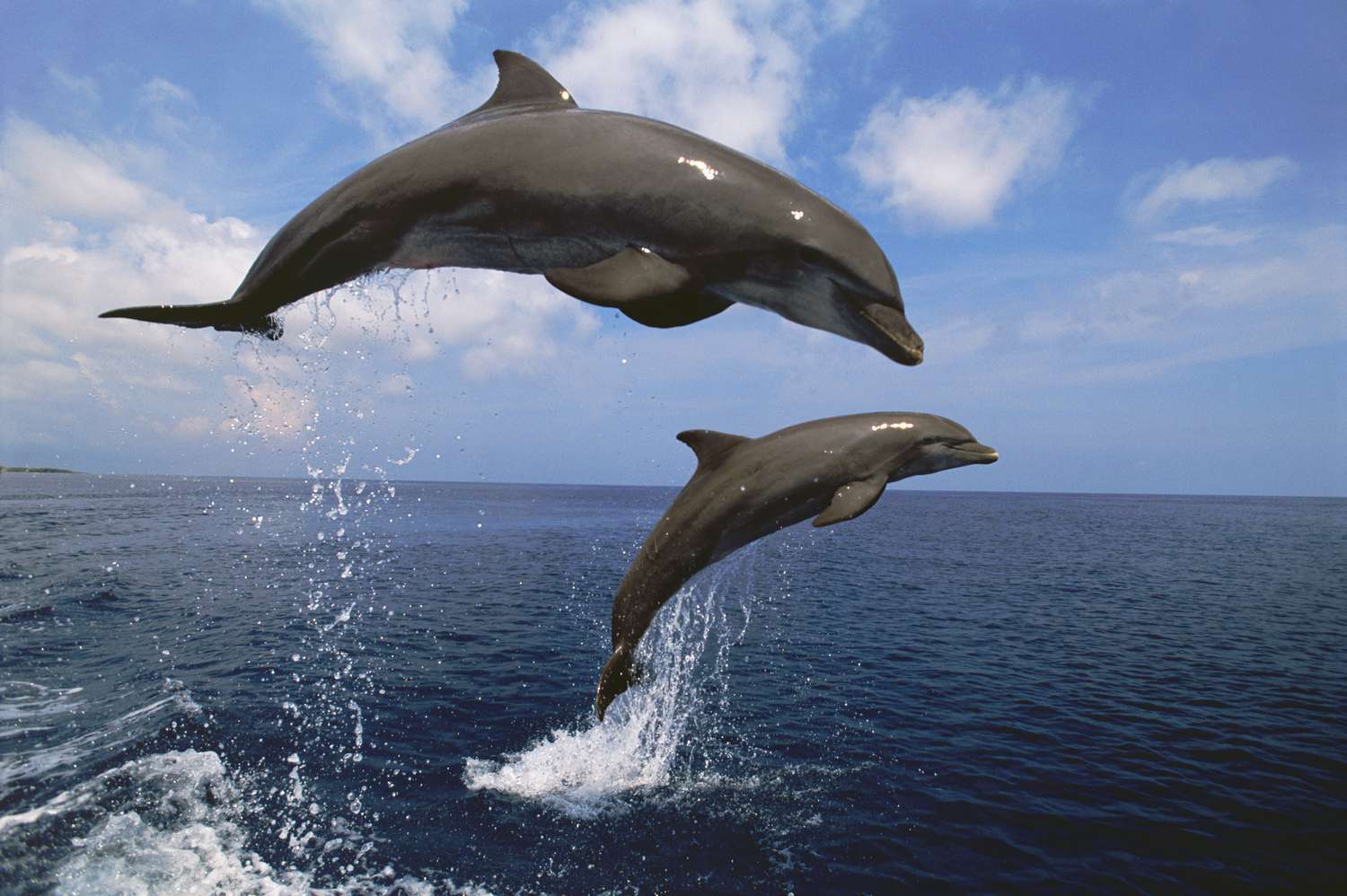
One in Grande Terre, between the Petite Terre marine reserve and Les Saintes, the common bottlenose dolphin, or Tursiop Truncatus, estimated at around 35 individuals, sometimes comes to Basse Terre, near Baille Argent, to hunt balaou in March or April.
The sperm whales
Spotted dolphins
Bottlenose dolphins
We welcome you on board all year round to share these cetacean sightings during our whale watching trips in Guadeloupe.
We don't ask for public money to fund our research, even though we are entitled to it because we are recognized as being in the public interest. We have chosen to finance ourselves through our observation outings, which enables us to share our knowledge and raise awareness of the need to protect the animals we study.
Welcome aboard!
Pierre Lavagne de Castellan
Research director of Shelltone Whale Project.