The research base of the environmental organization Shelltone Whale Project, located in Cadaqués, is the world’s first facility dedicated to the study and development of cetacean-friendly research methodologies.
Under the direction of Pierre Lavagne de Castellan, this base conducts regular sea campaigns aimed at improving and standardizing cetacean observation protocols to minimize disturbance and avoid any negative impact on animals in their natural habitat.
These research activities are fundamental to our organization, whose primary objective is the conservation of cetaceans through the promotion of responsible, science-based whale watching practices.
OUR METHOD
Our areas of operational research
From our base in Cadaqués, we develop and test in real-life conditions protocols to improve whale watching practices, with a clear objective: minimize human impact on cetaceans.
Approach distances
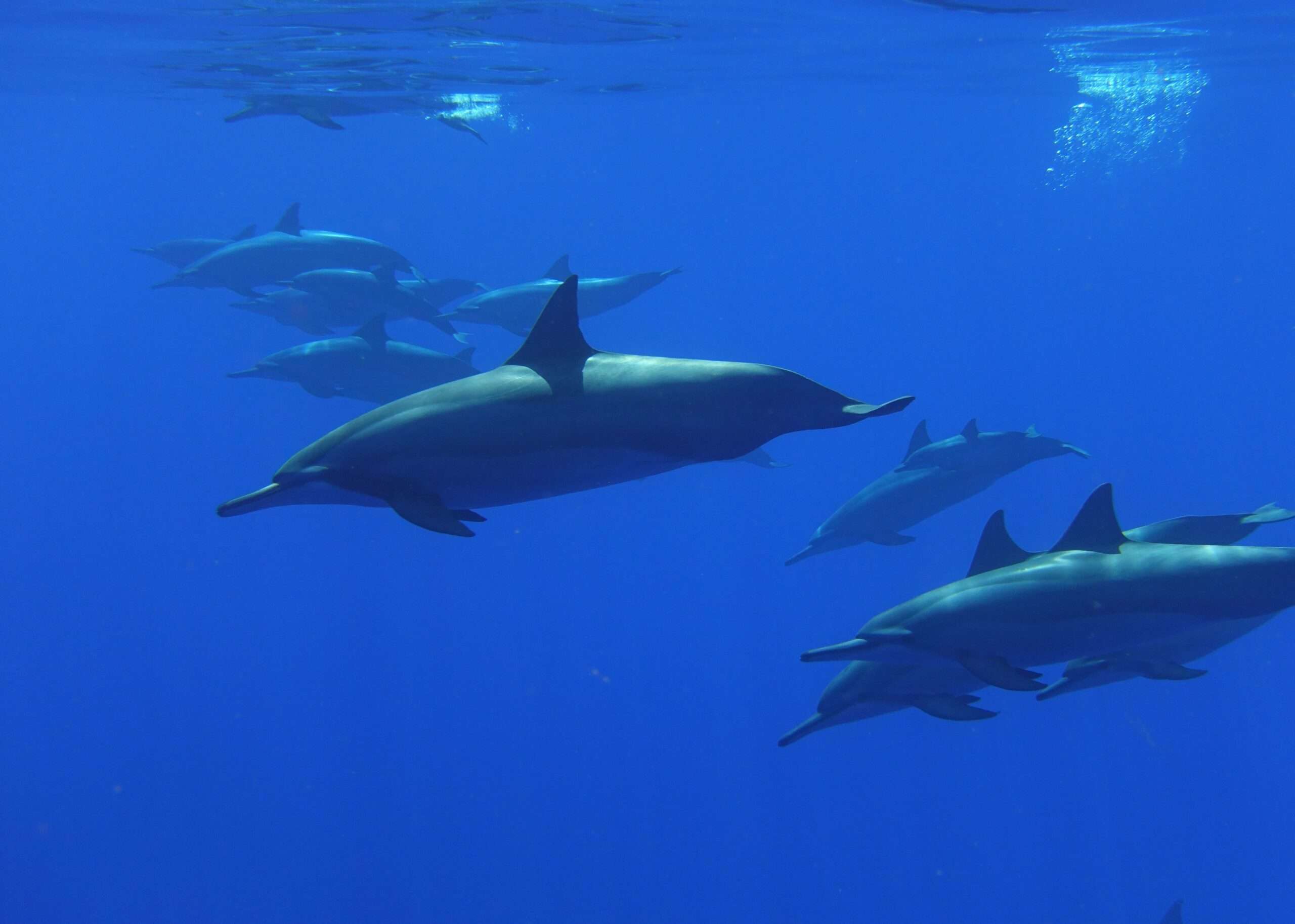
Observation distances cannot be standardized: they vary according to species and behaviour. Large cetaceans generally follow straight trajectories, which enables them to anticipate their movements and maintain a safe distance. Dolphins, on the other hand, are unpredictable. They are often the ones who initiate interaction, notably by coming to play at the bow. In such situations, distance can no longer be controlled. The operator’s responsibility then becomes behavioral: maintain a steady speed, stay on a fixed course, and never try to follow or chase animals.
Positioning and approach angle
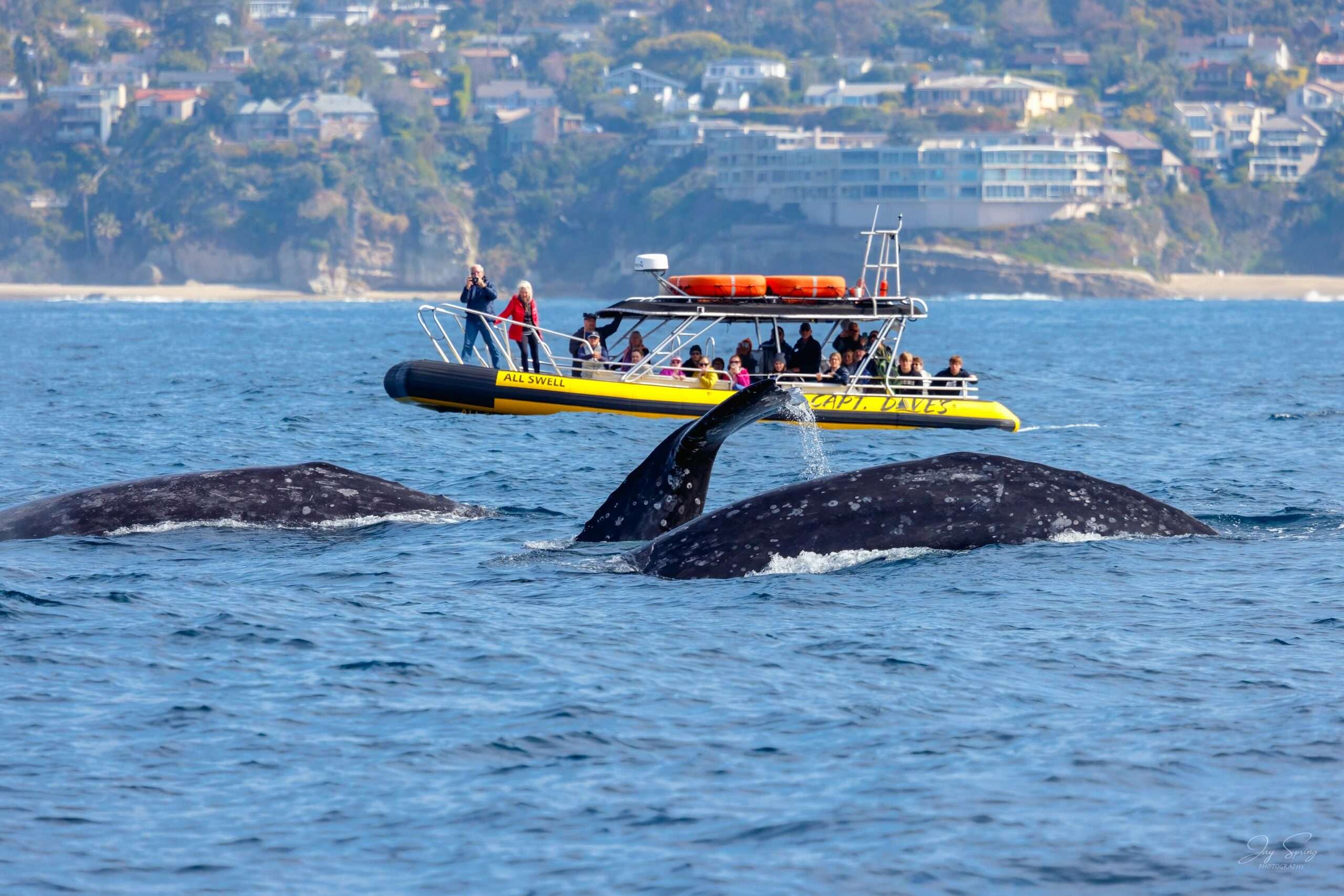
Do not approach from the rear. It surprises the animal, disrupts its trajectory and generates stress akin to pursuit. However, this practice is still widespread, notably to provoke the diving of large cetaceans and to obtain photographs of the tail, often perceived as a trophy. We consider these practices incompatible with respectful observation.
Controlled lateral approach
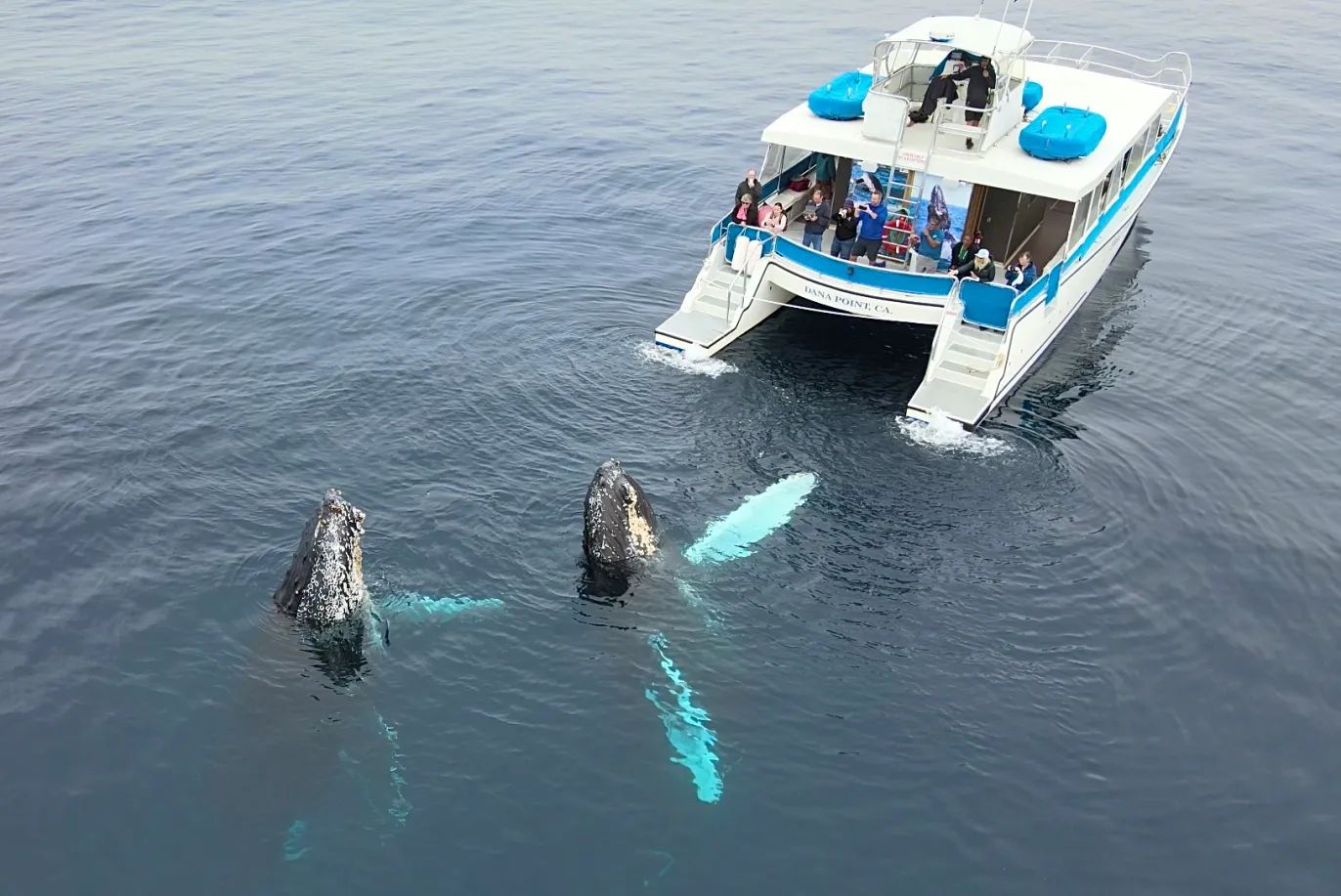
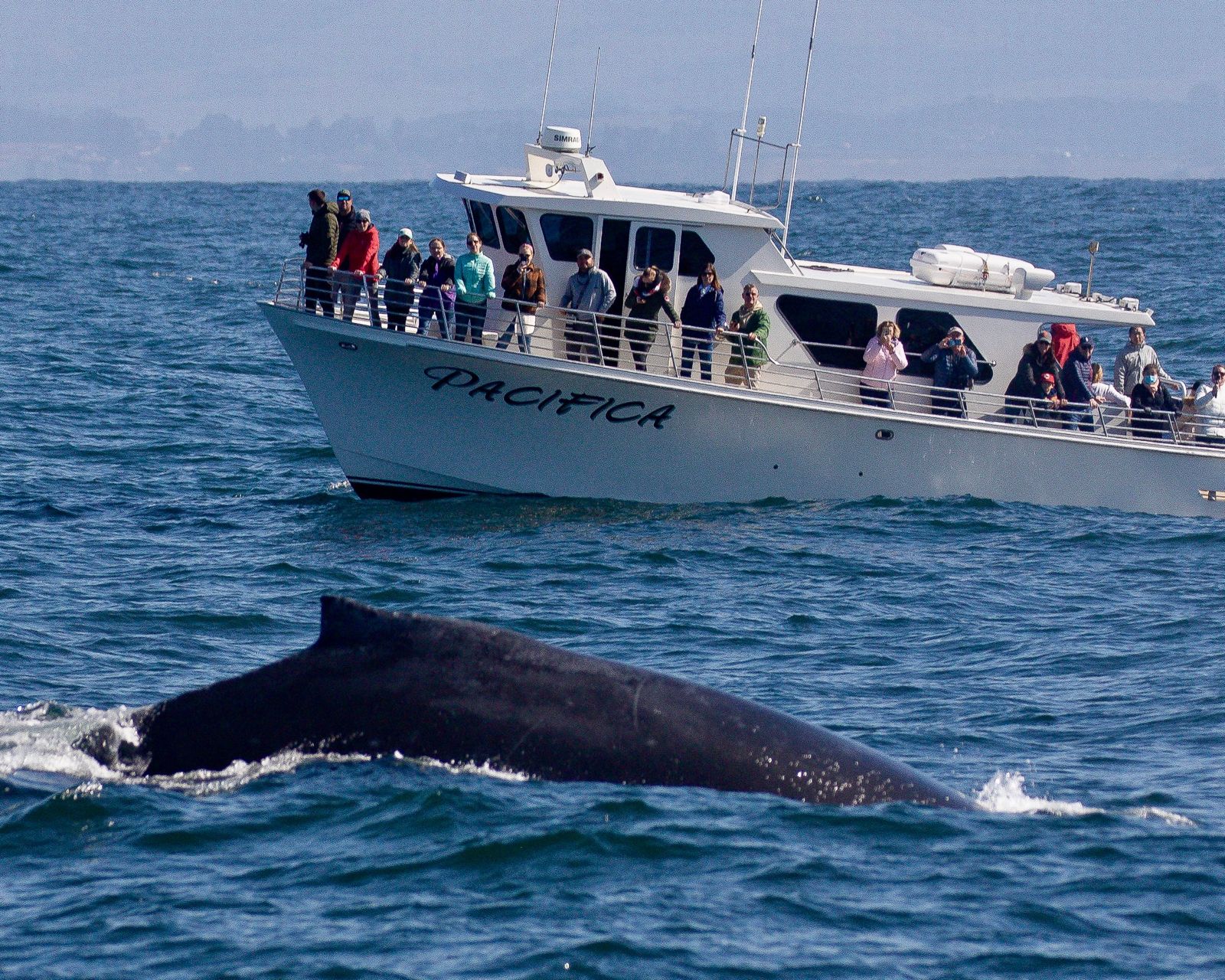
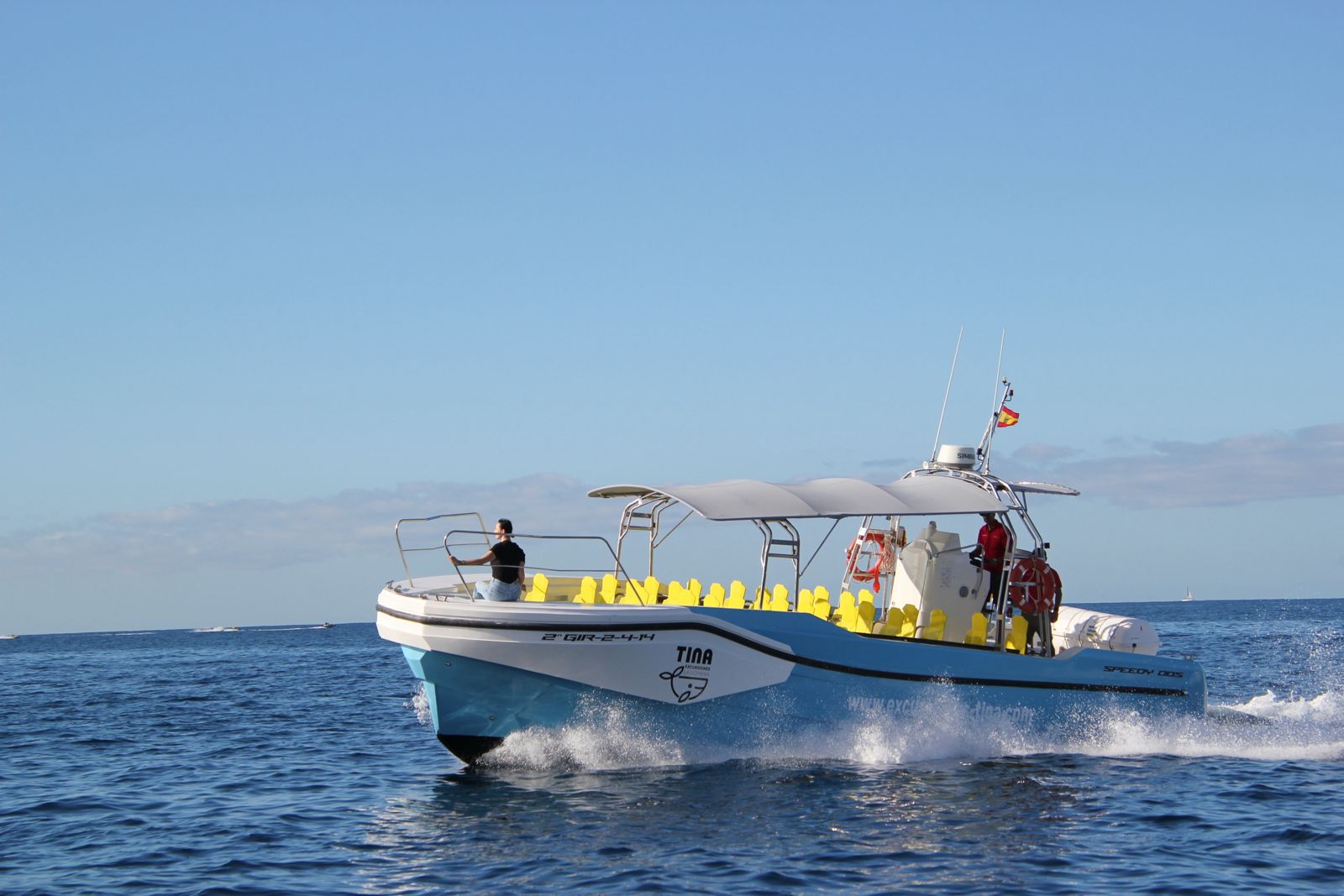
The recommended approach is lateral and progressive. The boat positions itself on a course parallel to that of the animal, at a distance. It doesn’t hide, it doesn’t cross the road, it doesn’t chase. In this configuration, it is perceived as a neutral element in the environment. It is only after a phase of careful observation – regular swimming, absence of acceleration, stability of the group – that a very gradual approach can be envisaged. This approach is made by slightly deviating course until the animal’s comfort distance is reached.
Positive renunciation
Certain situations prohibit any approach: presence of mothers with their young, nurseries, mating phases or scenes of active hunting. In these situations, approaching means disrupting vital behaviour. The captain is faced with a classic tension: respecting the animal or satisfying passenger expectations. We advocate a third way: positive renunciation. This involves clearly explaining the situation, and explaining why not intervening is an act of respect. When this decision is understood, it is not only accepted, it is valued.. Renunciation then becomes positive for the animals, for the operator and for the experiment itself.
This research forms the basis of the Shelltone Whale Project method and contribute to the development of whale watching practices that are respectful, non-intrusive and sustainable.
TAKE ACTION TO PROTECT CETACEANS
BY CHOOSING THE RIGHT OPERATOR FOR YOUR OUTING
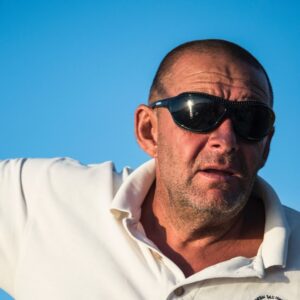
Pierre Lavagne De Castellan
Bioacústico marino – Etólogo – Fundador de Shelltone Whale Project
Since 1981, my passion for cetaceans and my research into inter-species communication with whales have led me to work in habitats where these animals live and reproduce. Over the years, I’ve watched whale watching evolve from a confidential practice reserved for enthusiasts and scientists in the 80s and 90s, to a mass tourism activity in the 2000s.
This uncontrolled development has led to a proliferation of boats in cetacean living areas, with approaches that are often disrespectful, dictated by the need to satisfy tourist expectations. The consequences of this constant harassment quickly became apparent: stress, loss of appetite and libido in the animals, and even abandonment of certain territories.
Despite the efforts of marine sanctuaries to regulate this activity through charters and training courses, many operators continue to flout the rules, seeking spectacular and intrusive approaches with no real controls.
Fortunately, I have met passionate and respectful operators, guided by their love of cetaceans and not by profit. Their knowledge enables them to take a gentle, respectful approach, creating authentic, peaceful encounters with the animals.
Shelltone Whale Project aims to list and promote these conscientious operators, offering everyone the chance to choose a harmonious, cetacean-friendly experience at sea. By booking your outings through our organization, you support our mission to promote responsible practices and protect cetaceans from intrusive approaches.


 English
  Français
  Español